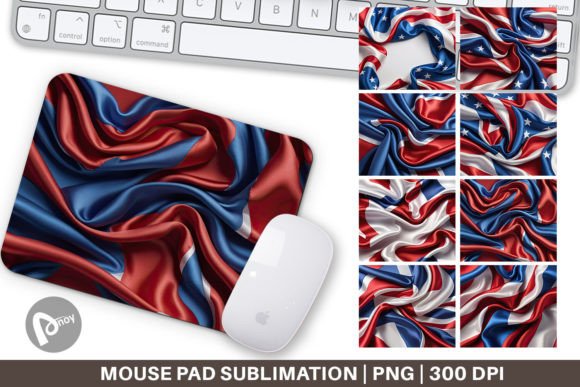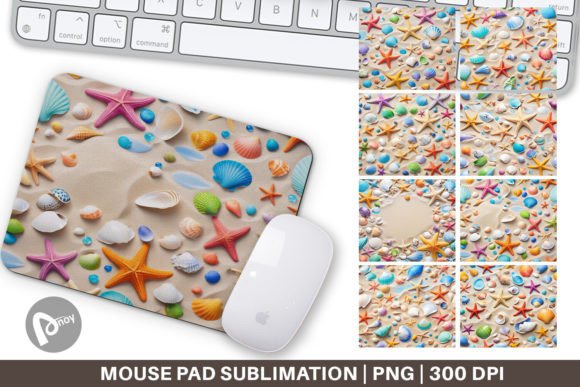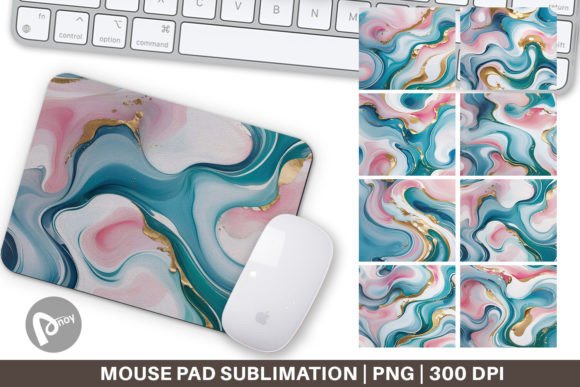
Mouse Pad Colorful Watercolor: Why Your Desk Setup Deserves More Than Just a Generic Pad
A desk is more than a surface. It is where ideas take shape, where deadlines are met, and where creative work flows. Yet many people overlook one of the most used items on that desk: the mouse pad. A standard black or gray rectangle might get the job done, but it rarely inspires. That is where the Mouse Pad Colorful Watercolor comes in. This isn't just a functional accessory. It is a small canvas that brings color, personality, and a sense of intention to your workspace. Whether you are a freelancer working from home, a gamer setting up a battle station, or a small business owner managing tasks at a shared desk, this type of mouse pad can change how the space feels. But there is more to choosing one than simply picking a pretty pattern. Many people make avoidable mistakes that turn a promising purchase into a disappointment. Let's walk through what actually matters so you can get the look you want without sacrificing usability.
What Makes a Watercolor Mouse Pad Different
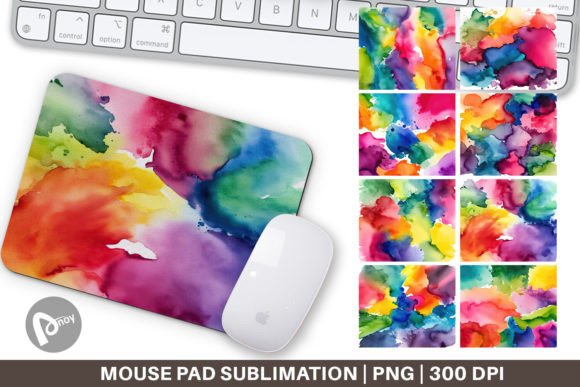
A Mouse Pad Colorful Watercolor typically uses a sublimation printing process to transfer vibrant, painterly patterns onto a fabric or cloth surface. The result is something that looks more like a piece of art than a computer accessory. The colors blend softly, edges feel organic, and no two designs feel exactly the same. The file you receive is often a PNG at 9.5 by 8.1 inches with 300 DPI resolution, which means the print will be sharp and detailed. This is important because lower-resolution files can produce blurry or pixelated results, which defeats the purpose of having an artistic mouse pad in the first place. Understanding what goes into making these pads helps you evaluate quality before you buy, rather than after.
The Mistake of Choosing Design Over Dimensions
It is easy to fall in love with a pattern. The watercolor look is naturally eye-catching, and a beautiful design can make you feel more connected to your workspace. But many people forget to check the actual size of the pad. A 9.5 by 8.1 inch pad is generous enough for most standard mouse movements, but it is not a full desk mat. If you use a low sensitivity setting for gaming or prefer wide sweeping motions for design work, that size may feel restrictive. Before you commit, think about how you actually use your mouse. Do you tend to move it within a small area, or do you sweep across the desk? If you need more room, consider whether the same design is available in a larger format. The mistake is not the size itself; it is assuming that one size fits all workflows. Measure your desk and your typical mouse movement range. That simple step will save you from buying something that looks great but doesn't support the way you work.
Surface Quality and the Sublimation Difference
Not all printed mouse pads feel the same. Sublimation printing fuses the dye into the fabric rather than laying it on top. This means the design won't peel, fade, or crack over time. That is a genuine advantage, especially for a colorful watercolor pattern where gradients and soft transitions matter. However, some pads use lower-quality sublimation materials that still look good at first but wear unevenly after a few months of use. The cloth surface can become rough or develop shiny spots where your wrist rests. When evaluating a Mouse Pad Colorful Watercolor, pay attention to the material description. A smooth, finely woven fabric with a decent thickness underneath will last longer and feel better. A thin pad might slide around on your desk, which is frustrating when you are in the middle of precise work. Look for a pad with a non-slip rubber base and a consistent fabric texture. That combination makes the difference between a pad that works and one that just sits there.
Ignoring the File Specifications
If you are buying a digital PNG file to print your own mouse pad, the specifications matter more than most people realize. The file you receive should be exactly 9.5 x 8.1 inches at 300 DPI. That resolution ensures the watercolor effect retains its soft edges and detail. If the file is lower resolution, the print will look muddy. If it is a different aspect ratio, you may have to crop or stretch the design, which ruins the composition. Always check the file dimensions before purchasing or downloading. A high-quality PNG will also have a transparent or clean background, depending on the design, which makes it easier to align with the printing surface. Do not assume that all files labeled as watercolor mouse pad designs meet these standards. Some sellers compress images to save space, and that compression kills the subtle transitions that make watercolor art appealing. Confirm the specs, and if they are not listed, ask. It is better to verify upfront than to receive a file that does not print well.
Matching the Pad to Your Workflow
A beautiful mouse pad can still cause friction if it does not fit your daily habits. For example, if you eat at your desk or often have a drink nearby, a fabric surface can absorb spills and become stained. Watercolor patterns are already busy, so stains may not be immediately visible, but they can affect the texture and feel over time. If you work in a shared or public space, the bright colors might draw more attention than you want. That is not necessarily bad, but it is something to consider. On the other hand, if you work from home and want a splash of inspiration, the artistic look can boost your mood. The key is to match the pad to your environment, not just to your taste in patterns. Ask yourself whether the design fits the tone of your workspace and whether the material matches your level of desk activity. A practical choice does not have to be boring. It just has to work for you.
Common Oversights When Buying Digital Files
- Not checking the DPI – A file labeled as high resolution may still be 72 DPI. Always verify 300 DPI for print quality.
- Ignoring the bleed area – Some printing services require extra space around the design. If your file does not have a bleed margin, the edges might be cut off.
- Assuming the colors will look exactly like the preview – Monitor calibration varies. What looks vibrant on your screen may print slightly muted or darker. Order a test print if possible.
- Forgetting to check the file format – PNG is ideal because it preserves transparency and detail. Some sellers provide JPG files that lose quality.
These details might seem small, but they are exactly the kind of overlooked factors that turn a good purchase into a regret. A little due diligence goes a long way.
How Colors Affect Focus and Comfort
The colors on your desk are not just decorative. They influence how your brain processes the space. Bright, warm watercolor tones can feel energizing and creative, which is great for brainstorming sessions or design work. Cooler blues and greens tend to feel calming, which can help during long hours of focused tasks. A Mouse Pad Colorful Watercolor that uses a mix of both can offer a balanced visual experience. However, if the pattern is too busy or the contrast is too high, it can become distracting, especially during tasks that require sustained attention. This is not a reason to avoid colorful designs. It is a reason to look at the overall composition of the pattern. Does it have a focal point? Are the colors harmonious or jarring? Trust your instincts, but also test it. Use the pad for a few days and notice whether you are still aware of it or whether it fades into the background. The best mouse pads are the ones you enjoy looking at but do not constantly notice.
Avoiding the One-and-Done Trap
Many people buy one mouse pad and stick with it for years, even after it starts to look worn or feels less smooth. With a watercolor design, the fading might be less obvious because the pattern is already busy, but the surface degradation still affects mouse tracking. If you notice your cursor skipping or your wrist feeling irritated, the pad is probably due for a replacement. The good news is that a Mouse Pad Colorful Watercolor is affordable enough to rotate with the seasons or your mood. Keep two or three designs on hand and swap them out. This keeps your desk feeling fresh and extends the life of each pad since they are not being used continuously. It also gives you a chance to try different color schemes without committing to one forever. Think of it as a small, low-risk way to update your workspace whenever you need a change.
What to Check Before You Buy
- Size – Confirm the dimensions match your desk space and mouse movement range.
- File specifications – Ensure 300 DPI and PNG format with correct aspect ratio.
- Material quality – Look for smooth fabric with a non-slip rubber base.
- Print method – Sublimation printing is more durable than surface printing.
- Design composition – Check that the pattern is balanced and not overly distracting.
- User reviews – Read what others say about the feel and longevity of the pad.
Taking a few minutes to run through this list will save you from the most common pitfalls. It also helps you make a choice you will be happy with months down the road.
Bringing It All Together
A Mouse Pad Colorful Watercolor is more than a desk accessory. It is an opportunity to bring art into a functional part of your daily routine. When chosen carefully, it can make your workspace feel more personal, more inspiring, and more comfortable. But the benefits only come when you avoid the mistakes that turn a promising purchase into a disappointment. Pay attention to size, material, file quality, and how the design fits your actual workflow. Do not let a beautiful image fool you into overlooking practical details. A little thought upfront leads to a desk setup that looks good and works even better. Whether you print your own from a PNG file or buy a finished pad, the same principles apply. Your desk deserves something that supports both your productivity and your sense of style. The right watercolor mouse pad can do exactly that.