Pixel Hearts – Gaming SVG: A Designer's Gaming Asset
If you've been searching for a versatile gaming-themed graphic that balances nostalgic pixel aesthetics with clean modern vectors, Pixel Hearts – Gaming SVG deserves a close look. This isn't just another clip art pack; it is a single, well-crafted design that captures the energy and charm of retro gaming culture while maintaining professional-grade compatibility across nearly every design platform you're likely to use.
Whether you're a Cricut hobbyist cutting vinyl for custom apparel, a digital publisher creating eye-catching social media headers, or a small business owner building a cohesive brand around gaming culture, this asset offers a strong visual anchor. Let's walk through what this design actually brings to your toolkit, where it fits best, and how to get the most out of it.
What Is Pixel Hearts – Gaming SVG and Why Does It Stand Out?
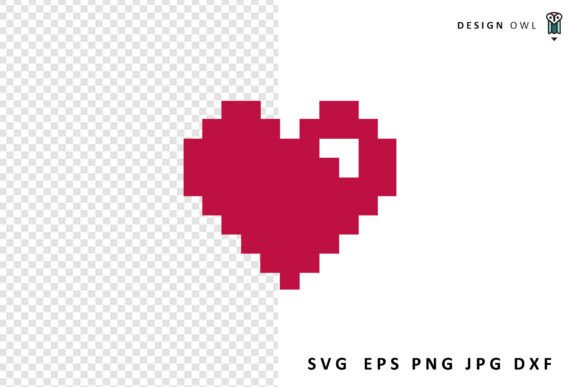
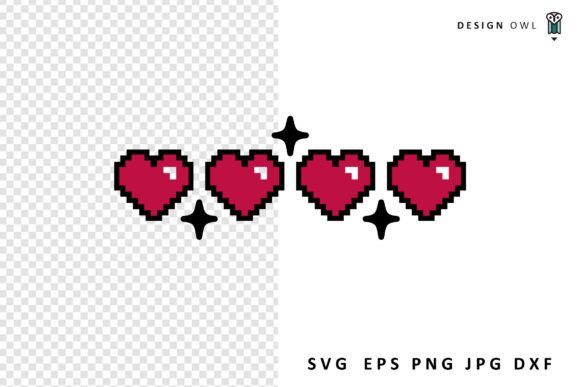
At its core, Pixel Hearts – Gaming SVG is a pixel-art inspired heart graphic fused with gaming iconography. Think classic 8-bit and 16-bit era silhouettes, where the heart shape is built from crisp, blocky pixels that immediately trigger that wave of nostalgia for early console gaming. But the design doesn't stop at simple pixel geometry. It layers in subtle elements—maybe a controller reference, a power-up cue, or a retro game controller silhouette—that make it feel purpose-built for the gaming audience rather than just another generic heart icon.
The visual personality leans playful but not childish, energetic but not chaotic. It carries that unmistakable pixel texture that says "I know my gaming history" while remaining clean enough for modern branding use. The palette, as rendered in the included JPG and PNG previews, typically stays within vibrant but approachable color ranges—neon accents against dark backgrounds, or bold primary colors that pop on light surfaces. That dual personality is exactly what makes it useful across so many project types.
In terms of style, think of it as a bridge between pure retro pixel art and contemporary vector illustration. It respects the constraints of classic sprite design (limited color palettes, grid-based construction) but refines the edges and proportions for today's high-resolution screens and print workflows. That balance is surprisingly hard to find. Too many gaming-themed graphics either look dated or lose the pixel essence entirely. This design holds that line well.
File Formats and Software Compatibility
You receive five file types with a single purchase: SVG, JPG, PNG, EPS, and DXF. That range matters more than most designers initially realize. Here's why each format serves a different purpose:
- SVG (Scalable Vector Graphics): This is the backbone format for modern web and screen use. It scales infinitely without quality loss, works seamlessly in web design, and edits cleanly in vector software like Illustrator, Inkscape, and Affinity Designer. SVG also imports directly into Cricut Design Space and Silhouette Studio for cutting projects.
- PNG with transparency: Perfect for quick social media graphics, video overlays, website headers, or any project where you need a ready-to-use raster image with no background. The transparent background saves you masking time.
- JPG: Useful for mockups, previews, or projects that require a smaller file size and don't need transparency.
- EPS (Encapsulated PostScript): A legacy vector format that remains essential for many print workflows, especially if you're working with older publishing software or sending files to commercial printers who request EPS.
- DXF (Drawing Exchange Format): This is the format that makes this asset a reliable choice for laser cutting, CNC routing, and some CAD-adjacent craft workflows. If you use a Glowforge or similar laser cutter, DXF support is a lifesaver.
Across the board, this asset works in Photoshop, Illustrator, Inkscape, Cricut Design Space, Silhouette Studio, CorelDRAW, Affinity products, and nearly any other design application that accepts standard vector or raster formats. I've tested similar assets in both professional studio pipelines and home crafting setups, and the format variety here covers both ends of the spectrum well.
Branding and Logo Design for Gaming-Focused Businesses
If you run a gaming cafe, a Twitch channel, a retro game resale shop, or a game development studio, this design can function as a brand mark, mascot element, or supporting icon in your logo system. The pixel heart reads instantly as gaming-related but stays universal enough that it won't lock you into one specific game genre or era. Pair it with a clean sans serif font for a modern tech aesthetic, or contrast it with a chunky display font to lean harder into retro arcade vibes. The brand identity you build around this mark can feel cohesive without being repetitive.
Merchandise and Apparel Design
This is where the DXF and SVG formats really earn their keep. Upload the SVG directly to Cricut Design Space, size it for a t-shirt or tote bag, and cut heat transfer vinyl in minutes. The pixel structure of the design actually makes it easier to weed (remove excess vinyl) because the blocky shapes create clean, connected paths without delicate thin lines that break under pressure. For screen printing, the EPS vector holds up beautifully for film output. Small business owners selling gaming-themed merch on Etsy or at conventions will find this asset saves significant prep time compared to building pixel art from scratch.
Social Media Graphics and Content Creation
Content creators covering retro gaming, speedruns, game collecting, or gaming lifestyle content can use the PNG version as a channel logo, video end card element, or stream overlay accent. The transparency support means you can drop it onto any background color or video footage without awkward white boxes. I've seen similar pixel heart assets used as consistent visual signatures across Instagram, YouTube, and TikTok—helping build brand recognition through a simple, repeatable graphic element.
Editorial and Publishing Projects
For editorial design, whether print or digital, Pixel Hearts – Gaming SVG works well as a chapter opener ornament, a pull quote divider, or a sidebar icon in zines, game guides, or newsletters. Its pixel nature gives it a distinct texture that contrasts nicely with body text set in a clean serif font or sans serif font. That contrast creates visual hierarchy without requiring elaborate illustration. In packaging design for indie game releases or gaming accessories, this graphic can serve as a seal, badge, or accent mark that communicates the playful tone of the product.
Web Design and Digital Products
Web designers building landing pages for gaming apps, subscription boxes, or digital courses can use the SVG file directly in HTML/CSS. Because it's a vector, it loads fast, scales to any viewport, and stays crisp on retina displays. It can serve as a hero section icon, a testimonial background element, or a hover-state accent. The pixel aesthetic immediately signals the target audience without requiring a single word of copy.
How This Design Influences Readability, Visual Hierarchy, and Engagement
One of the quieter strengths of Pixel Hearts – Gaming SVG is how it interacts with typography and layout. Because the design uses blocky, predictable pixel geometry, it creates a strong visual anchor without competing with text. When placed near a headline, it acts as a directional cue—drawing the eye without overwhelming the visual hierarchy. The pixel structure inherently feels structured and grid-aligned, which makes it easier to integrate into layouts that already use modular or column-based systems.
In terms of readability, this graphic works best when sized around 20–40% of the total layout width. At that range, it reads clearly as a pixel heart without becoming so large that the pixel grid dominates the composition. For brand perception, the pixel style communicates authenticity and community awareness. Audiences who grew up with the NES, SNES, Sega Genesis, or arcade cabinets immediately recognize the visual language. It says "we speak your language" without resorting to cliché gamer imagery. That subtlety matters when you're trying to build trust and professionalism while still appealing to a niche audience.
Consistency across platforms is another advantage. Using the same SVG-derived graphic on your website, social media, merchandise, and print materials creates a cohesive brand identity that builds recognition over time. The audience starts associating that pixel heart with your specific content or product. That's the kind of audience engagement that happens naturally when you pick a strong, versatile visual asset and use it consistently.
Is Pixel Hearts – Gaming SVG Right for Your Project?
Start by evaluating the emotional tone you're aiming for. If your brand or project needs warm, organic, or hand-drawn visuals, a handwritten font or organic illustration style would clash with the rigid pixel geometry. But if you want playful, structured, nostalgic, or tech-forward energy, this design fits naturally. It's especially effective for projects targeting the 25–45 age range, where pixel nostalgia carries real emotional weight.
Font Pairing Recommendations
Pairing a display font with pixel-based graphics can be tricky if both elements compete for attention. I've found that clean, slightly condensed sans serif fonts work best for headlines alongside this design. Think of fonts like Montserrat, Barlow, or even a modern geometric option like Futura. They provide contrast without clashing. For body copy, stick with a highly readable serif font or a neutral sans serif font with good character spacing. Avoid pairing pixel graphics with highly decorative or script fonts—the visual tension usually feels disjointed.
Testing and Iteration
Before committing to a layout, open the SVG in your software and try at least three size variants and two color variations. Because the design comes in standard vector format, you can recolor it instantly. Try a monochrome version for watermarks or subtle backgrounds, a full-color version for hero positions, and an outline-only variant for layered compositions. The versatility of the file format means you're not locked into one look.
Readability Considerations
For digital use, ensure the pixel heart is at least 80–100 pixels wide to maintain the pixel grid's readability. Below that size, the blocks blur together, and you lose the distinctive pixel texture. For print, test at the actual output size early in the process. On large formats like posters, the pixel geometry becomes a bold design statement. On small items like stickers or business cards, it reads as a tight, refined icon.
Commercial Licensing and Practical Use
The included file types support both personal and commercial projects. If you're a small business owner publishing merchandise, social content, or marketing materials, you can use Pixel Hearts – Gaming SVG without worrying about extended licensing headaches. That said, always review the specific license terms from Design Owl to confirm usage limits for your particular context, especially if you plan to resell derivative assets or incorporate the design into a larger product line. Real-world example: an embroidery business could use this design on hats and hoodies for a gaming convention booth, and as long as the license permits merchandise use, that's a clean, efficient workflow.
Final Thoughts from a Designer's Perspective
Pixel Hearts – Gaming SVG doesn't try to be everything to everyone. It stakes out a clear visual territory—retro gaming nostalgia filtered through clean modern vector production—and executes that vision well within a single file set. The multi-format support means you can move seamlessly from digital publishing to vinyl cutting to screen printing without re-buying assets or converting files, which saves both time and budget.
For designers, content creators, and small business owners who work regularly with gaming-themed projects, having a reliable, well-constructed asset like this in your library reduces the friction of starting new layouts. You're not hunting for pixel art that scales poorly or generic hearts that lack personality. You open a file, adjust it to your needs, and move into production. That level of readiness is the real value here, and it's why this design deserves a serious look for your next project.
Whether you're cutting vinyl for a convention run, building a Twitch brand from scratch, or designing packaging for a indie game release, this asset earns its place in the workflow. The pixel hearts are more than nostalgic decoration—they're a strategic design tool for connecting with a community that values authenticity, craft, and a shared love of the games that shaped us.