Rediscovering the Neon 80s Tech Geometric Clipart Aesthetic
The 1980s left an indelible mark on visual culture. From the dawn of personal computing to the rise of arcade gaming, the decade was defined by a unique visual language—one rooted in bold geometry, electric neon palettes, and a futuristic optimism that feels as fresh today as it did decades ago. That language lives on through 80s tech geometric clipart, a design style that channels the energy of synthwave, retro gaming, and vintage tech into crisp, vibrant graphics. Whether you are a designer, a marketer, or simply a nostalgia enthusiast, understanding this aesthetic opens a world of creative possibilities.
At its core, this clipart style is about simplicity with impact. The graphics rely on clean lines, sharp angles, and isometric shapes that evoke early computer graphics and arcade sprites. The color palette—hot pink, cyan, yellow, and electric green—is anything but subtle. These hues weren't just popular in the 80s; they were a statement of technological optimism. They screamed progress, innovation, and a future that looked bright and boundless. Today, designers turn to neon geometric clipart to tap into that same energy, giving modern projects a retro-futuristic twist.
This article will take you deep into the world of 80s tech geometric clipart, examining its origins, its defining elements, its practical applications, and how it continues to influence digital art and branding. By the end, you'll not only understand the style—you'll know exactly how to use it to power up your own projects.
The Visual DNA of 80s Tech Geometric Clipart
To truly appreciate retro tech clipart, you need to examine its foundational design principles. The 1980s was a time of transition. The digital revolution was accelerating, and visual culture reflected that shift in a unique blend of analog and digital motifs. The result was a look that was simultaneously playful, precise, and full of energy.
Bold Geometry and Isometric Forms
The geometric aspect of this style is no accident. Early computers and video game consoles relied on pixel grids and simple polygons because that was what the technology could render. Over time, those technical limitations became aesthetic choices. Designers began deliberately using sharp angles, concentric circles, layered squares, and isometric cubes—much like the Rubik’s Cube-style puzzle found in many 80s clipart collections. This geometric approach creates a sense of order, precision, and structure, making each icon instantly recognizable and visually satisfying.
Electric Neon Colorways
If geometry provides the structure, neon color provides the soul. The classic palette—hot pink, cyan, yellow, and sometimes lime green—was borrowed from the glow of arcade cabinets, the phosphor of monochrome monitors, and the fluorescent fashion of the decade. These colors don't just attract the eye; they convey emotion. Pink suggests energy and fun, cyan feels cool and technological, yellow pops with optimism, and green adds a fresh, digital edge. When these shades are combined in concentric rings or overlapping shapes, they create a sense of depth and motion that feels almost electric.
Iconic 80s Symbols Reimagined
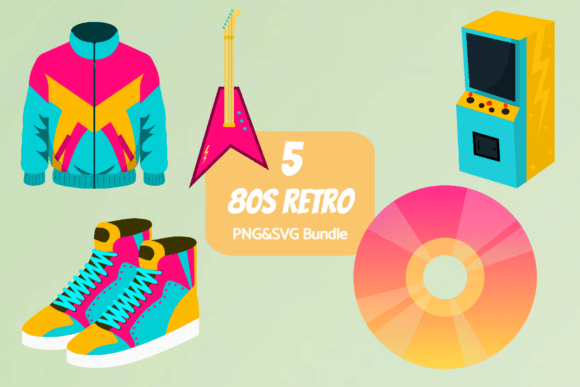
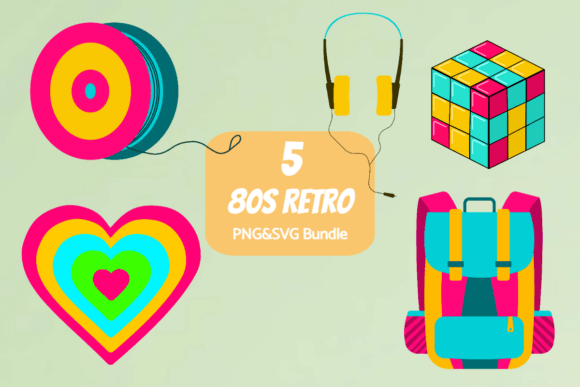
What makes a piece of clipart truly "80s" are the symbols it features. A typical 80s tech geometric clipart bundle might include a stylized reel-to-reel tape or vinyl record with a cord wrapping around it, representing the analog roots of the decade. Then there are walkman-style headphones in yellow and cyan—a nod to the Sony Walkman revolution. Isometric 3D cube puzzles (like the Rubik's Cube) are a staple, as are layered heart designs in neon pinks and greens that blend romantic motifs with digital precision. And let's not forget the retro backpack or knapsack in bright pink and teal with yellow straps—a symbol of school life in the 80s. Each of these icons carries cultural weight, instantly transporting viewers back to the era.
Why 80s Tech Geometric Clipart Still Matters Today
You might be asking: why would a design style from forty years ago still be relevant in 2025? The answer lies in the power of nostalgia and aesthetic cycles. As the digital world becomes more complex and hyper-realistic, there is a growing appetite for simplicity, boldness, and a retro-future vibe. This is where synthwave art and 80s retro clipart come into play.
The resurgence of interest in 1980s pop culture is not just a trend—it's a cultural movement. From Netflix series like Stranger Things to the popularity of synthwave music and vaporwave aesthetics, audiences are embracing the look and feel of the 80s. For designers, using neon geometric clipart is a way to tap into that collective nostalgia, creating designs that feel both familiar and fresh. It's a visual shorthand for a time of optimism, technological revolution, and unapologetic fun.
Moreover, these graphics are incredibly versatile. Their clean lines and strong contrasts make them work equally well on digital screens and printed materials. Whether you are creating a website banner, a social media graphic, a t-shirt design, or a poster for a retro-themed event, 80s tech clipart provides immediate visual impact. The transparent PNG and SVG formats included in modern clipart bundles ensure that you can scale, color, and layer these elements without losing quality.
Practical Applications: Where to Use Neon 80s Tech Geometric Clipart
The beauty of this aesthetic is its adaptability. Here are some of the most effective ways to incorporate 80s tech geometric clipart into real-world projects:
Synthwave Album Art and Music Branding
The music scene that gave rise to synthwave, retrowave, and chillwave is the natural home for this style. Album covers, promotional posters, and music video thumbnails featuring neon geometric elements like the isometric cube puzzle or the stylized tape cassette capture the exact vibe that listeners expect. The bold colors and retro-futuristic feel tell the audience, "This is music inspired by the 80s," before they even hear a note.
Retro Gaming Merchandise and Event Flyers
Arcade bars, retro gaming conventions, and esports tournaments often use 80s geometric clipart to create a sense of nostalgia and excitement. A flyer featuring the walkman-style headphones or the layered heart design, paired with a neon grid background, instantly communicates a fun, energetic atmosphere. T-shirts, stickers, and posters for these events benefit from the high-contrast, eye-catching nature of the graphics.
Social Media Campaigns and Digital Content
In the crowded world of social media, grabbing attention is everything. Neon tech clipart stands out in feeds because of its bright, saturated colors and bold shapes. Brands looking to launch a retro-themed campaign—whether for a product drop, a seasonal promotion, or a throwback series—can use these graphics as overlays, borders, or central motifs. The transparent PNG files make it easy to layer the icons over photos, gradients, or patterns.
School Event Materials and Classroom Decor
Because the 80s aesthetic is both fun and nostalgic for many adults, it works wonderfully for school events like 80s-themed dances, spirit weeks, or fundraisers. The retro backpack graphic or the geometric heart can be featured on tickets, banners, and digital announcements. Educators and PTA groups appreciate the ready-made, high-resolution assets that make their promotional materials look professional without a huge design budget.
Fashion Graphics and Apparel
Custom t-shirt printing, tote bags, and even sneaker designs have embraced the 80s geometric revival. The bold, blocky shapes translate beautifully onto fabric. A large print of the isometric cube puzzle or the neon headphones on a black t-shirt creates a striking look that appeals to both retro enthusiasts and fashion-forward individuals. The SVG files in the bundle are especially valuable here, as they allow vector-based printing at any size without pixelation.
How to Choose and Use High-Quality 80s Tech Geometric Clipart
Not all clipart is created equal. When sourcing 80s tech geometric clipart, there are a few key factors to consider to ensure your final design stands out.
- Resolution and file type: Look for bundles that offer both 300 DPI PNG files for print and SVG files for scalable vector use. This ensures your graphics remain crisp whether you're using them for a business card or a billboard.
- Color consistency: The best collections maintain a cohesive neon palette across all icons. Hot pink, cyan, and yellow should feel balanced, not chaotic. A harmonious color scheme makes it easy to mix and match graphics.
- Cultural accuracy: Authentic 80s clipart uses symbols that genuinely reflect the decade. Items like the reel-to-reel tape, walkman headphones, Rubik's Cube-style puzzles, and retro backpacks are culturally specific and resonate more deeply than generic shapes.
- Transparent backgrounds: This is essential for versatility. With a transparent PNG, you can overlay your clipart onto any background color or image without harsh white edges.
When it comes to designing, remember that 80s tech geometric clipart works best as part of a larger composition. Consider pairing the graphics with grid patterns, neon gradients, and low-resolution pixel effects to build a complete scene. Use the layered heart design as a focal point, or repeat the isometric cube motif as a pattern. The key is to let the geometry and color do the heavy lifting—don't overcrowd your design with too many competing elements.
Common Misunderstandings About 80s Tech Geometric Art
One of the most persistent myths is that neon geometric clipart is only for retro-specific projects. While it's certainly a powerhouse for 80s-themed work, its reach extends far beyond that. The bold lines and high-contrast colors can be used in modern contexts—think tech startups that want to convey innovation, or creative agencies that want to stand out from the minimalist crowd. The geometric structure of the graphics lends itself well to modern UI design and digital illustration, especially when combined with contemporary typography and layout.
Another misconception is that this style is purely decorative. In reality, 80s tech geometric clipart carries significant semiotic weight. The symbols it employs—tapes, cubes, headphones—tell stories of a generation that lived through the transition from analog to digital. Using these elements in a design is a way to communicate ideas about creativity, memory, and cultural identity. It's not just decoration; it's visual storytelling.
Bringing It All Together: Power Up Your Projects with Pure 80s Energy
If you are ready to infuse your creative work with the energy of synthwave, the precision of early computer graphics, and the nostalgia of a decade that refused to be subtle, 80s tech geometric clipart is your go-to resource. A well-curated collection, like the Neon 80s Tech Geometric Pop Clipart Collection, provides everything you need in ready-to-use formats—5 high-quality PNG files at 300 DPI for print, and 5 SVG files for scalable vector use.
From the stylized reel-to-reel tape and walkman-style headphones to the isometric cube puzzle, layered heart design, and retro backpack in hot pink and teal, each icon is purpose-built to evoke the essence of the 1980s. Whether you are designing party invites, album art, gaming merchandise, or fashion graphics, these elements deliver pure 80s energy ⚡.
Remember, the best designs don't just look good—they make the audience feel something. And there is no decade quite like the 80s for making people feel excitement, possibility, and a little bit of playful rebellion. So go ahead: open up that clipart bundle, pick your favorite geometric icon, and let the neon colors do the rest. Your projects are about to get a serious dose of retro-future power.
In a world full of flat, muted, and forgettable visuals, 80s tech geometric clipart stands apart. It is loud, it is proud, and it is ready to transform your next design into a bold statement. Embrace the geometry. Own the color. And let the 80s live again.