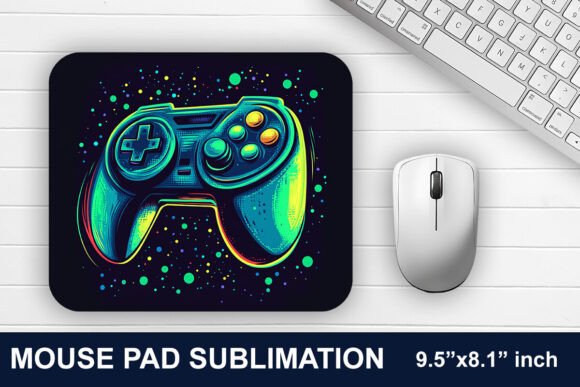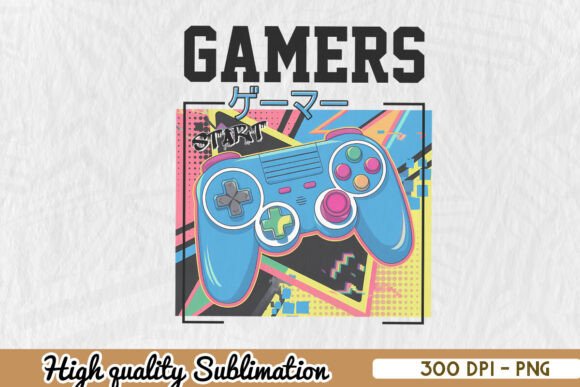
How to Get the Most from Your Gamers Retro Gaming Sublimation PNG
If you have come across a Gamers Retro Gaming Sublimation PNG while searching for design resources, you already know how appealing that vintage arcade aesthetic can be. Whether you are making custom apparel, decorating for a gaming-themed party, or creating unique gifts for friends who still remember blowing into cartridges, these digital files open up a lot of creative possibilities. But using them well takes more than just hitting print. There are a few common missteps that can turn an exciting project into a frustrating waste of time and materials. Let me walk through what actually matters so you get the results you deserve.
What a Gamers Retro Gaming Sublimation PNG Actually Is
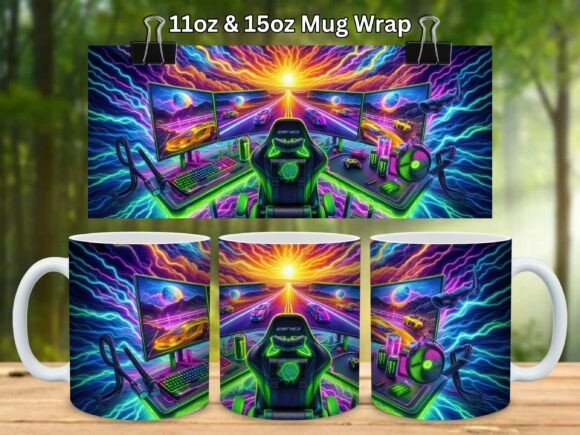
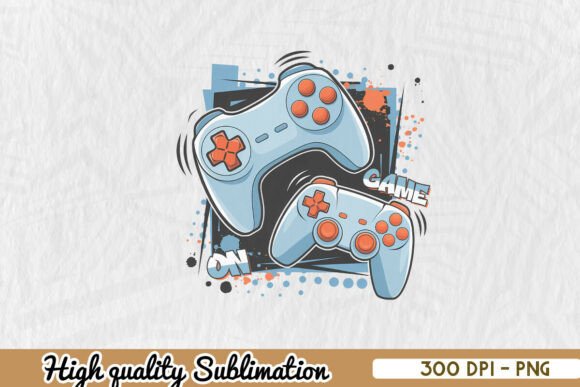
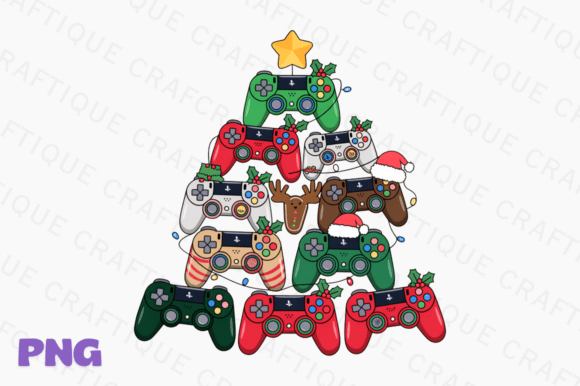
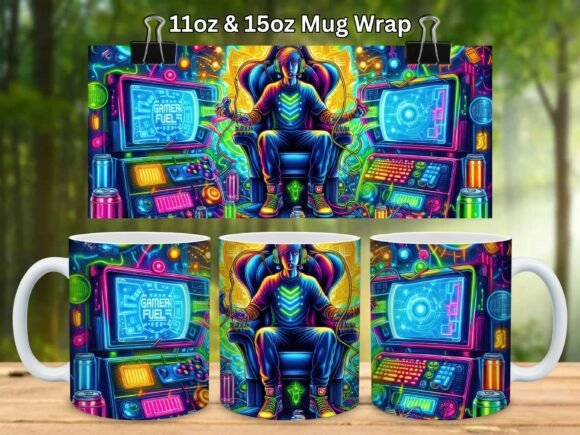
At its core, this is a high-resolution digital image file designed for transfer onto surfaces like fabric, mugs, pillows, bags, and more. The PNG format means it supports a transparent background, which gives you flexibility when layering over other designs or colored materials. The files are typically provided at 300 DPI, which is the standard for professional-quality printing. The retro gaming theme usually includes pixel art, classic controller shapes, cartridge motifs, and nostalgic typography that resonates with anyone who grew up in the golden age of arcades or early home consoles.
The key detail here is that this is a sublimation PNG. That means it is intended for use with sublimation printing, a process where heat transfers dye directly into the material. However, because it is a high-quality image file, you can also use it for other purposes like card making, scrapbooking, framing, or creating iron-on transfers with the right paper. Understanding what format you are actually working with is the first step to avoiding frustration.
Mistake #1: Confusing PNG with SVG and Expecting a Cut File
One of the most frequent misunderstandings I see is people downloading a sublimation PNG and trying to use it as a cut file for vinyl or other materials. The product listing clearly states that this is not SVG for cutting, yet many still assume they can upload it to a cutting machine and get clean, separate pieces. The problem is that PNG files are raster images made of pixels. They do not contain vector paths that a cutter can follow accurately. Even if you try to trace the image in software, the results are often jagged, incomplete, or riddled with artifacts from the shadow or background effects.
If you need a cut file for a plotter or digital cutter, you need an SVG or another vector format. Using a PNG for cutting leads to wasted material, damaged blades, and a lot of cursing. Instead, embrace what the PNG is designed for: printing and transferring. Use it with sublimation paper, inkjet printable transfer paper, or even just as a digital element in your graphic design projects.
Mistake #2: Ignoring the DPI and Resolution Requirements
The listing specifies that the file is 300 DPI with a transparent background. That is excellent quality, but only if you respect its limits. A common mistake is scaling the image up too much in your design software. When you enlarge a raster image beyond its native size, you stretch the pixels. The result is a blurry, pixelated print that looks nothing like the crisp retro art you intended.
Before you place the image into your project, check the actual dimensions. Open the file in any image editor and look at the pixel dimensions. A 300 DPI image at, say, 3000 x 3000 pixels will print beautifully at up to 10 x 10 inches. If you need a larger print, you are better off finding a larger source file or using vector alternatives. Do not rely on automatic resizing in your printer software. That almost never ends well. Always preview at actual size before printing.
Mistake #3: Overlooking Color Shifts Between Monitor and Print
The listing includes a fair warning: actual colors may vary slightly due to monitor settings. This is not just a legal disclaimer. It reflects a real technical challenge. The colors you see on your screen are emitted light, while printed colors are reflected light. They behave differently. On top of that, every monitor has its own color calibration, and sublimation inks have their own gamut.
A common mistake is assuming that what looks vibrant on screen will look identical on a t-shirt or mug. To avoid disappointment, always do a small test print on the same material you plan to use. Print a small swatch of the design and check the color after sublimation. Many professionals create a color profile for their specific printer, ink, and material combination. You do not need to go that far for a hobby project, but at least run a test on scrap material before committing to a batch of ten shirts.
Another practical tip is to view the PNG in a color-managed application. Browsers often display images differently than design software. Open the file in something like Photoshop, GIMP, or Affinity Photo, and make sure your working space is sRGB. Most sublimation workflows expect sRGB, and sticking with that profile reduces surprises.
Mistake #4: Using the Wrong Transfer Method or Paper
Not all transfer papers are created equal, and using the wrong one is a fast track to disappointment. Sublimation requires special paper that releases dye under heat and pressure. If you use regular inkjet paper, the ink will not transfer properly. If you use iron-on transfer paper meant for dark fabrics, you might get a plasticky feel that cracks after a few washes. The design of a sublimation PNG works best when the ink soaks into the material, not when it sits on top.
Before you buy anything, confirm that your printer supports sublimation ink. Most standard inkjet printers can be converted with refillable cartridges and sublimation ink, but you have to commit to that ink type. Once you use sublimation ink, you cannot switch back to regular ink without deep cleaning the print head. If you only plan to do a few projects, consider using a professional printing service instead. Upload your Gamers Retro Gaming Sublimation PNG to a print-on-demand site, and let them handle the hardware. That saves you the upfront cost and the learning curve.
If you are going the DIY route, pay close attention to the temperature, pressure, and time settings for your heat press or iron. Sublimation relies on precise heat to turn the solid dye into a gas that bonds with the material. Too low, and the image is faint. Too high, and the colors bleed or the material scorches. Keep a log of your settings for each material type. It sounds tedious, but it saves you from repeating mistakes.
Mistake #5: Neglecting the Transparent Background in Design
The transparent background is a huge advantage, but only if you use it intentionally. A common error is placing the PNG onto a white background in your design software and leaving it there. That works fine for white or light-colored materials, but if you plan to print on a dark shirt or a colored surface, the transparent areas will show the base color of the material. That can be a great effect if you want the retro design to appear floating on the fabric. But if you expected a white backing behind the pixels, you will be disappointed.
Another related mistake is forgetting to flatten or merge layers before printing. If your design software keeps the transparency as an active layer, some printer drivers or sublimation software may handle it incorrectly, leaving blank spots or missing areas. Before you hit print, flatten the image to a single layer and ensure the background is either fully transparent (for sublimation) or set to the intended base color (for iron-on transfers). Test on paper first.
Better Approaches from the Start
Once you understand the common pitfalls, you can set yourself up for success. Here is a practical workflow that saves time and material:
- Verify your file. Open the ZIP, check the PNG dimensions and DPI in your image editor. Make note of the exact pixel size before planning your project.
- Match the file to the project. If you need a cut file, look for an SVG. If you are printing, the PNG is perfect. Do not try to force a round peg into a square hole.
- Calibrate your monitor. At minimum, make sure your screen brightness is not too high. Compare a printed test swatch to your screen image and adjust your expectations accordingly.
- Choose the right transfer paper. For sublimation, buy sublimation paper. For iron-on transfers on light fabrics, use inkjet transfer paper. For dark fabrics, use opaque transfer paper. Read the instructions on the package before you start.
- Test before you commit. Print a small section on the same material type you plan to use. Adjust time and temperature based on the result.
- Keep records. Write down your settings for each material. Next time you repeat that project, you will save a lot of guesswork.
What to Check Before You Download or Buy
Before you purchase a Gamers Retro Gaming Sublimation PNG, look at the listing details carefully. Confirm that the resolution is listed as 300 DPI or higher. Check if the file includes a transparent background. Read whether the seller states that this is not intended for cutting. If you need a vector version, look for a separate SVG product. Also check the license terms. Some sellers allow commercial use, others restrict it. If you plan to sell items made from the design, make sure your license covers that.
Pay attention to sample images in the listing. They are usually watermarked or low resolution, but they give you a sense of the art style and color palette. Compare those samples to the description. If the colors look different across multiple sample images, that is a sign that the actual colors may vary. That is normal, but it reinforces the need for a test print.
Finally, consider your own skill level. If you are brand new to sublimation or crafting with digital files, start with a single small project. Do not buy ten files at once and try to produce a full product line. Learn the process on one design, on one material. Once you get consistent results, then scale up. That approach saves money and reduces frustration.
Realistic Examples of Better Choices
Let me give you two scenarios. In the first, someone buys a Gamers Retro Gaming Sublimation PNG, opens it on their phone, and sends it to a cheap online printer without checking resolution. The print comes back pixelated and dull. That person then blames the file. In reality, the file was fine. The issue was that the online printer downscaled it to fit their template, and the phone preview gave a false sense of quality.
A better approach: download the file to a computer, open it in a proper image viewer, check the pixel dimensions, and upload it to a print service that accepts 300 DPI files. Many print-on-demand sites have guidelines for file size. Follow them exactly. If the file is too small for the product size you want, either choose a smaller product or look for a larger file.
In the second scenario, a hobbyist tries to use the PNG as a cut file with their Cricut. The machine cannot read the transparency correctly and the cut is a mess. That person could have avoided the whole problem by understanding that PNG is for printing, not cutting. If they wanted a cut file, they should have searched for a retro gaming SVG instead. Knowing the difference between raster and vector saves time and materials.
Better still, that hobbyist could use the PNG exactly as intended: print it onto sublimation paper, press it onto a blank polyester shirt, and get a vibrant, soft, durable design that looks like part of the fabric. That is where the file shines.
Final Thoughts on Getting Great Results
The Gamers Retro Gaming Sublimation PNG is a versatile, high-quality resource when you understand what it is and what it is not. Respect the format, respect the resolution, and respect the printing process. Test your workflow on small projects before going big. Keep a notebook of your settings and results. Over time, you will build a reliable process that consistently delivers the crisp, nostalgic look you are after.
Whether you are making gifts for friends who remember the 8-bit era, producing inventory for a small Etsy shop, or just decorating your own gaming den, the key is to work with the file's strengths rather than against its limitations. That one PNG, used correctly, can become the foundation for dozens of creative projects. Take the time to learn the details now, and you will save yourself a lot of trial and error later.